Find solenoid internal thread fuel injector for auto parts, bulldozers, and diesel engines
Source 30 verified listings for solenoid internal thread fuel injector compatible with auto parts, bulldozers, and diesel engines. Buyers can compare specifications, certifications, and pricing from suppliers in China and Mexico.
Key considerations
Products List




Comprehensive Sourcing Guide
Strategic Sourcing Guide for Solenoid Internal Thread Fuel Injectors
Procuring solenoid internal thread fuel injectors requires a rigorous approach that balances technical precision with supply chain reliability. These components are critical for engine performance, fuel efficiency, and emission compliance in both automotive and heavy industrial applications. The market presents a complex landscape where specifications vary significantly based on the intended engine type, whether it be gasoline or diesel, and the specific vehicle or machinery model. Buyers must navigate a wide array of product attributes, from material composition to packaging standards, to ensure they secure parts that meet their operational requirements. This guide outlines the essential factors for sourcing these components effectively, relying on verified product data and industry best practices to mitigate procurement risks.
Technical Specifications and Material Composition
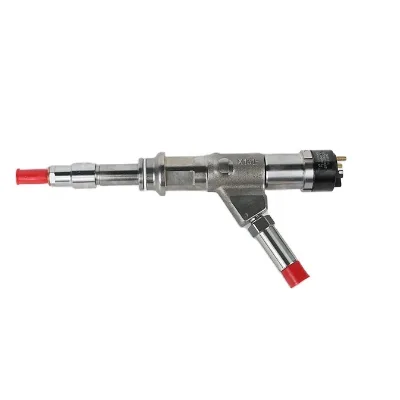
The foundation of a successful procurement strategy lies in a precise understanding of the technical specifications. Solenoid internal thread fuel injectors are not generic parts; they are engineered for specific fuel delivery systems. The primary material composition for the body of these injectors is typically steel, providing the necessary durability to withstand high-pressure fuel environments. However, the internal assembly often involves a combination of metal and plastic components, where the plastic elements may serve as insulators or structural supports within the solenoid mechanism.
Fuel type is a critical differentiator. The market offers injectors designed for gasoline engines as well as those optimized for diesel engines. Diesel injectors, in particular, often feature advanced fuel injection devices and may be marketed with fuel-saving technologies, such as systems that utilize water as a raw material to enhance combustion efficiency. The stroke cycle is predominantly four-stroke, aligning with standard internal combustion engine architectures. Power delivery for the solenoid actuation is hydraulic in nature, ensuring rapid and precise valve opening and closing.
The physical dimensions and threading must match the engine block exactly. Specifications often include specific model numbers, such as TD-101 or 1705181, and standard component lengths, which can range from 221mm for specific heavy-duty applications. The discharge standard is another vital technical parameter; some units are certified to meet Euro II standards, while others may adhere to custom requirements based on the buyer's specific engine configuration. Buyers must verify the cylinder configuration, as these injectors are designed for multi-cylinder engines, and ensure the start mechanism, typically electric start, is compatible with the vehicle's electrical system.
Compliance, Certification, and Standards Verification
In the global supply chain for automotive parts, compliance is non-negotiable. Buyers must prioritize suppliers who can demonstrate adherence to recognized quality management systems. The most frequently observed certifications in this sector include ISO 9001:2015 and TS16949 (now IATF 16949). These certifications indicate that the manufacturer has established processes for quality control, traceability, and continuous improvement. TS16949 is particularly significant for automotive suppliers, as it is specifically tailored to the automotive industry's rigorous demands.
Beyond general quality certifications, buyers should verify the discharge standards applicable to the specific market where the equipment will be used. While some products list Euro II as a discharge standard, others may be manufactured according to custom requirements. It is essential to confirm that the product standard matches the regulatory environment of the destination country. For instance, if the injectors are intended for use in machinery like bulldozers, the standards may differ from those required for passenger vehicles.
The origin of the product also plays a role in compliance. Many high-volume suppliers are located in China, with specific manufacturing hubs in provinces like Shandong and Shanghai. However, sourcing from other regions, such as Mexico, is also possible. Regardless of the origin, the product must meet the "Standard Component" or "Non-Standard Component" classification as defined by the buyer's engineering team. Verifying that the supplier can provide documentation for these standards is a prerequisite for any serious procurement inquiry.
Cost Drivers and Pricing Dynamics
Understanding the cost structure of solenoid internal thread fuel injectors is vital for budgeting and negotiation. The observed price range in the market spans from 1 to 1000 USD, reflecting the vast diversity in product quality, brand, and application. Several factors drive these price variations. First, the complexity of the internal thread design and the precision of the solenoid mechanism significantly impact manufacturing costs. High-precision injectors for heavy-duty diesel engines will naturally command a higher price than those for lighter gasoline applications.
Material costs are another primary driver. The use of high-grade steel for the body and specialized alloys for the internal components adds to the base cost. Additionally, the inclusion of advanced features, such as fuel-saving technologies or specific packaging requirements like original or standard export packaging, can influence the final price. The brand name is also a factor; products labeled as "Factory Brand" or those with "Customized Brand" options may have different pricing structures compared to generic unbranded parts.
Minimum Order Quantity (MOQ) is a critical cost determinant. While some suppliers may offer low MOQs starting at 1 unit, the majority of the market operates with an MOQ of 200 units. This threshold is often set to ensure manufacturing efficiency and cost-effectiveness. Buyers with smaller volume needs may face higher per-unit costs or may need to negotiate with suppliers who have flexible production lines. Lead times and shipping costs, particularly for heavy components like fuel injectors, also contribute to the total cost of ownership. Buyers should consider the trade-off between a lower unit price with a high MOQ and a higher unit price with a lower MOQ to optimize their inventory management.
Typical Applications and Industry Usage
Solenoid internal thread fuel injectors are ubiquitous in the automotive and heavy machinery sectors. Their primary application is in the replacement and maintenance of fuel systems for vehicles and equipment. The data indicates a strong presence in the auto parts industry, where these injectors are essential for maintaining engine performance and fuel economy. Specific applications include vehicles with models such as 3306, 966g, and D7h, which are often associated with heavy-duty trucks and construction equipment.
Beyond standard automotive use, these injectors are critical for heavy machinery. The "Bulldozer" application is explicitly noted, highlighting their role in construction and earth-moving equipment. In these environments, reliability is paramount; a failure in the fuel injection system can lead to significant downtime and costly repairs. The injectors are also used in various engine types, ranging from gasoline engines to diesel engines, making them versatile components for fleet managers and maintenance teams.
The versatility of these parts extends to their customization capabilities. Suppliers often offer customization options to meet the specific needs of different engine configurations. This adaptability allows buyers to source injectors that fit unique or older machinery models that may not be supported by standard off-the-shelf parts. The "Use" attribute consistently points to auto parts, but the specific model numbers and vehicle applications suggest a broad spectrum of use cases, from light-duty vehicles to heavy industrial machinery.
Supplier Evaluation and Quality Control
Evaluating suppliers for solenoid internal thread fuel injectors requires a multi-faceted approach. Buyers should look for suppliers who offer comprehensive after-sales service, as this indicates a commitment to long-term customer satisfaction. A warranty period of 1 year within 200,000 kilometers or a range of 3 months to 1 year is common, but the specific terms should be clearly defined in the contract. The presence of a warranty suggests that the supplier stands behind the quality of their product.
Quality control processes are equally important. Buyers should verify that the supplier has a robust quality assurance system in place, ideally backed by ISO 9001:2015 or TS16949 certification. The condition of the product should be confirmed as "New," and the packaging should be appropriate for the component's sensitivity. Packaging options range from brown boxes and cartons to standard export packaging and original packaging. The choice of packaging can affect the product's condition during transit and storage.
When evaluating suppliers, buyers should also consider the origin of the product. Suppliers from China, particularly those in Shandong and Shanghai, are known for their manufacturing capabilities in this sector. However, buyers should not limit their search to a single region. Suppliers from Mexico and other locations may offer competitive advantages in terms of logistics or specific technical expertise. The key is to ensure that the supplier can consistently deliver products that meet the specified standards and performance requirements.
Long-Term Procurement Considerations
Sourcing solenoid internal thread fuel injectors is not just a transactional activity; it is a strategic decision that impacts long-term operational efficiency. Buyers should consider the scalability of their supply chain. As demand fluctuates, the ability to adjust order quantities without compromising quality is essential. The MOQ of 200 units may be a barrier for some buyers, but establishing a relationship with a supplier who can accommodate varying order sizes can provide flexibility.
Customization is another long-term consideration. As engine technologies evolve, the need for customized fuel injectors may increase. Suppliers who offer customization options, including custom branding and specific packaging, can help buyers stay ahead of market trends. The ability to tailor the product to specific requirements ensures that the injectors remain compatible with future engine upgrades or modifications.
Finally, buyers should prioritize suppliers who demonstrate a commitment to sustainability and innovation. While the current market data highlights fuel-saving technologies, the industry is constantly evolving. Suppliers who invest in research and development to improve fuel efficiency and reduce emissions will be better positioned to meet future regulatory requirements. By selecting suppliers with a forward-looking approach, buyers can ensure a stable and reliable supply of high-quality fuel injectors for the long term.
Summary of Key Product Attributes
To facilitate quick reference, the following table summarizes the key attributes observed in the market for solenoid internal thread fuel injectors:
| Attribute Category | Observed Values |
|---|---|
| Body Material | Steel |
| Internal Materials | Metal and Plastic |
| Fuel Type | Gasoline, Diesel, Diesel Engine |
| Stroke Cycle | 4 Stroke |
| Power Type | Hydraulic |
| Start Mechanism | Electric Start |
| Certifications | TS16949, ISO 9001:2015 |
| Discharge Standard | Euro II, Custom Requirement |
| Warranty | 1 Year (200,000 km), 3 Months - 1 Year |
| MOQ | 1 - 100 (General), 200 (Specific) |
| Origin Locations | China (Shandong, Shanghai), Mexico |
| Packaging | Box, Brown Box, Carton, Standard Export, Original |
| Applications | Auto Parts, Bulldozer, Specific Vehicle Models |
By adhering to these guidelines and leveraging the detailed product data, buyers can make informed decisions that ensure the reliability and performance of their fuel injection systems. The combination of technical precision, regulatory compliance, and strategic supplier selection forms the backbone of a successful procurement strategy for solenoid internal thread fuel injectors.
FAQs
What certifications do solenoid internal thread fuel injectors have?
These injectors typically hold ISO 9001-2015 and TS16949 certifications. These standards verify that the manufacturer maintains rigorous quality management systems essential for automotive and heavy machinery applications.
Which materials are used for the body of these injectors?
The body material is primarily steel to ensure durability under high pressure. The internal assembly often combines metal and plastic components to provide necessary structural support and insulation within the solenoid mechanism.
Can these injectors be customized for specific engine requirements?
Yes, customization is available for branding and specific product standards. Buyers can request custom requirements for discharge standards and packaging to match unique engine configurations or machinery models.
What is the minimum order quantity for purchasing these parts?
The standard minimum order quantity is 200 units for most suppliers. This threshold ensures manufacturing efficiency, though some vendors may offer different terms for specific bulk orders or custom requests.
How long is the warranty period for these fuel injectors?
Warranty periods typically range from three months to one year. Some specific models offer coverage for up to one year within 200,000 kilometers, depending on the supplier and product condition.
Where are these fuel injectors primarily manufactured?
Most units originate from China, with manufacturing hubs in Shandong and Shanghai. Some products are also sourced from Mexico, offering diverse logistical options for international buyers.
What packaging options are available for shipping these injectors?
Packaging varies from brown boxes and cartons to standard export packaging. Some suppliers offer original packaging to ensure the components arrive in new condition without damage during transit.